
What makes for a long and happy life? Some things which
are spiritual, some things which are material, and some
things which are physical. While not everything that
happens to us in life is under our direct control,
chronological age is not a stop sign for an active life.
Here are a few steps you can take to ensure your health,
happiness, and well being:

*Exercise*
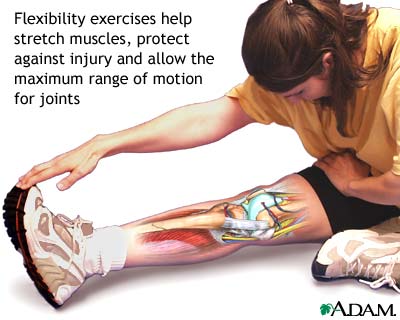
The beauty of a human body is that the more
you move it, the less you lose it. Regular exercise,
whether it be tennis, swimming, walking, or rock climbing
is one of the few magic bullets we can rely on in the
battle against advancing age. Circulating oxygen around
your body provides a very real service in bringing
nutrients from the blood stream to every corner of you
body. Exercise also builds up and maintains the muscles
in our body and keeps bones dense and strong. Regular
physical exercise could add as much as twenty years to
the life span of a once sedentary person.
*Enjoy a lot*
By enjoying nature at whatever pace you choose, you can
explore new territory or revisit old vistas. Celebrate
your birthday by going with a friend for a weekend
exploring the great outdoors.

**Love Thy Neighbor**
Love Thy Neighbor Being part of a community offers us a
vital support system we can rely on as we age. Not only
is the companionship of friends a wonderful part of any
stage of life, but the psychological support that
friendship can bring and the rewards of sharing mutual
interests can vastly improve the quality of life as we
get older.

*Food*
Nutrition Key to helping us maintain a healthy body as we
age are the nutrients we receive. In addition to a diet
rich in fruits, vegetables, high fiber, and low-fat
foods, you can help maintain the biological age of our
body by including antioxidants as a major feature in your
diet. As you age, your body absorbs nutrients less
effectively, and general daily supplements, as well as
additional key antioxidants (which lessen the impact of
some cellular damage), can help preserve your biological
youth.

*Drink*
Drink water a day 7 to 8 glass minimum .it make the
stomac system soft fast n cool....
try 2 avoide soft drinks n win e.t.c
Many of us drink a lot of coffee. Is all that coffee
really bad for us..
How Much Caffeine Should You Drink?
*coffee*
Many of us drink a lot of coffee. Is all that coffee
really bad for us? Should we be trying to drink less
coffee? Or cut it out altogether? Or should we really
be drinking more?
The most common way that most of us ingest caffeine is in
the form of coffee. And some of us drink many cups of
coffee in a day.
If you are one of those people who drinks a lot of coffee
daily, you probably wonder on occasion what all that
coffee is really doing to you. Is coffee really bad for
you, or just a harmless vice? Can it be possible that
coffee is actually good for us?
The research on coffee shows mixed results. Some
studies show that drinking coffee increases the rate of
heart attacks, while other studies have shown that
drinking large amounts of coffee decreases the risk of
diabetes.
There are nutritional advisers who claim that coffee
makes us age faster, wears out our adrenal glands, and
causes all sorts of untold damage to our cells.

Other researchers claim that coffee, especially if it’s
freshly roasted and ground, is full of antioxidants, and
therefore good for us. Most doctors say that drinking
one or two cups of coffee a day is probably not harmful.
And of course there are others who say we ought to avoid
caffeine altogether.
Yet it is this very ability that coffee has to boost up
the activity of our brain cells that most of us are
trying to have.
Does caffeine really enhance mental performance, or is
that just a myth? Yes, caffeine does give a temporary
boost to brain cells. But the amount required to improve
mental performance is not very high. Even half a cup of
coffee will be enough to give your brain a boost that
lasts several hours.