

The SMS technology has facilitated the development and growth of text messaging. The connection between the phenomenon of text messaging and the underlying technology is so great that in parts of the world the term "SMS" is used as a synonym for a text message or the act of sending a text message, even when a different protocol is being used. There are some other uses of SMS than the obvious.
Information Superhighway: There are plenty of websites that ask you to provide your mobile number in case you’d like to be aware of whatever’s going on at that site. There are also various services that mobile users can sign up with via their own service providers that allow them to keep in touch with current events via a simple SMS message. Think of it as a kind of RSS feed for those who don't own a WAP- or GPRS-enabled handset, or those who prefer a simpler way.
A SMS message, as most of you probably know, can have only up to a maximum of 170 characters. So you can’t expect to receive a whole news story. In such cases the service rendered would be in the form of a headline and usually a link that allows you to go to the web page where you can read the whole story from your web browser.
E-mail via SMS: A company called NETCORE has come up with a rather ingenious way by which users who don’t use Internet-capable handsets can send and receive e-mail. The solution is really quite simple. You can sign up with the company that provides this service for an annual fee ranging (from Rs 299 and Rs 999) and a monthly fee of Rs 25 to Rs 85 per month. This will allow you to receive and send a certain number of e-mails for that month. The good thing is each message can have up to 450 characters instead of the usual 170.
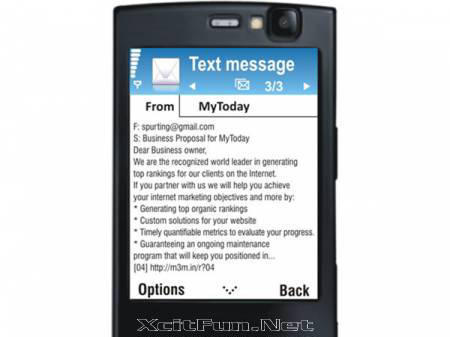
You can receive your entire e-mail on your handset and send replies as well. Again, you DON’T need an Internet-enabled handset; it works by simple SMS and it works perfectly with ISPs or mailing solutions, including MS Exchange, Lotus Notes, or any Linux-based solution. It’s like having a BlackBerry without the BlackBerry!
Banking: Banks have now made it extremely easy to access one's bank account and conduct various types of transactions over SMS. They even allow you to keep track of your spending by sending out an SMS informing you of a debit or credit card swipe and the current balance after that transaction. This is also a safety measure in case you misplace your card – you’ll know it’s in use thanks to the receipt of the SMS, and be able to inform the authorities ASAP.
You’ve probably seen the new Airtel advertisements on TV that show how Airtel users can make bill payments and even send money via credit card or bank by sending a single SMS from wherever they are.
Mobile Tracking and Security: I’m sure all of you know what a mobile tracker application is, but for those who don't, it’s a security measure that manufacturers incorporate into their handsets so users can keep track of their phone’s whereabouts in case they get stolen or misplaced.
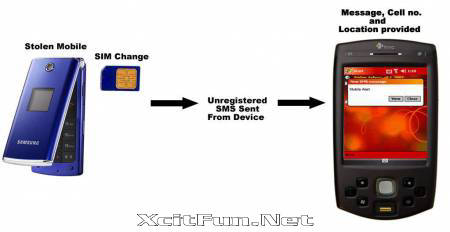
Once again, SMS is a key player in this lost-and-found mobile game. When the feature is activated, and your SIM is replaced with another, an SMS is set to a pre-selected number of your choice with the current SIM number so you’ll know that your SIM card has been removed.
Some manufacturers have taken this system to a new level by allowing users to remotely access the mobile even if it has a new SIM. By sending an SMS command, the user can block the handset and even erase the data from the phone by formatting it. All of this is done without the other person’s knowledge.
Some service providers offer a mobile backup feature that allows customers to SMS a command and back up all their data – from contacts to calendar entries – to a secure server. This data can be downloaded whenever users misplace or upgrade their handsets.
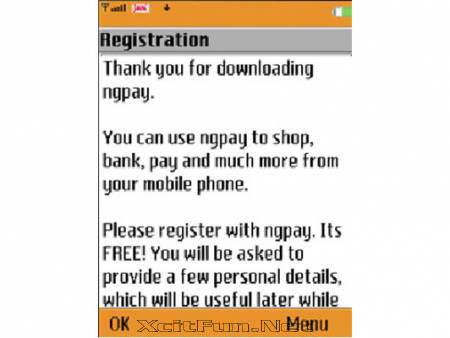
Services like ngpay even allow mobile users to conduct a whole lot of transactions via SMS, from paying bills to buying plane/movie tickets to grocery shopping.
Messaging has definitely evolved from being just a service of communication between mobile users. It’s come a long way in terms of its usability and I’m not entirely sure how much further it can go. But rest assured, with technology being the way it is and changing at such a rapid pace, a simple text message could be all it takes to change your life someday. Who knows?